There is immense power in being “The Place for Ribs” in an era of fleeting food trends, Tony Roma’s CEO Mina Haque said, however their role has transitioned from being their only story to its anchor one as the brand is leveraging that equity to introduce new concepts to a more fast-casual format.
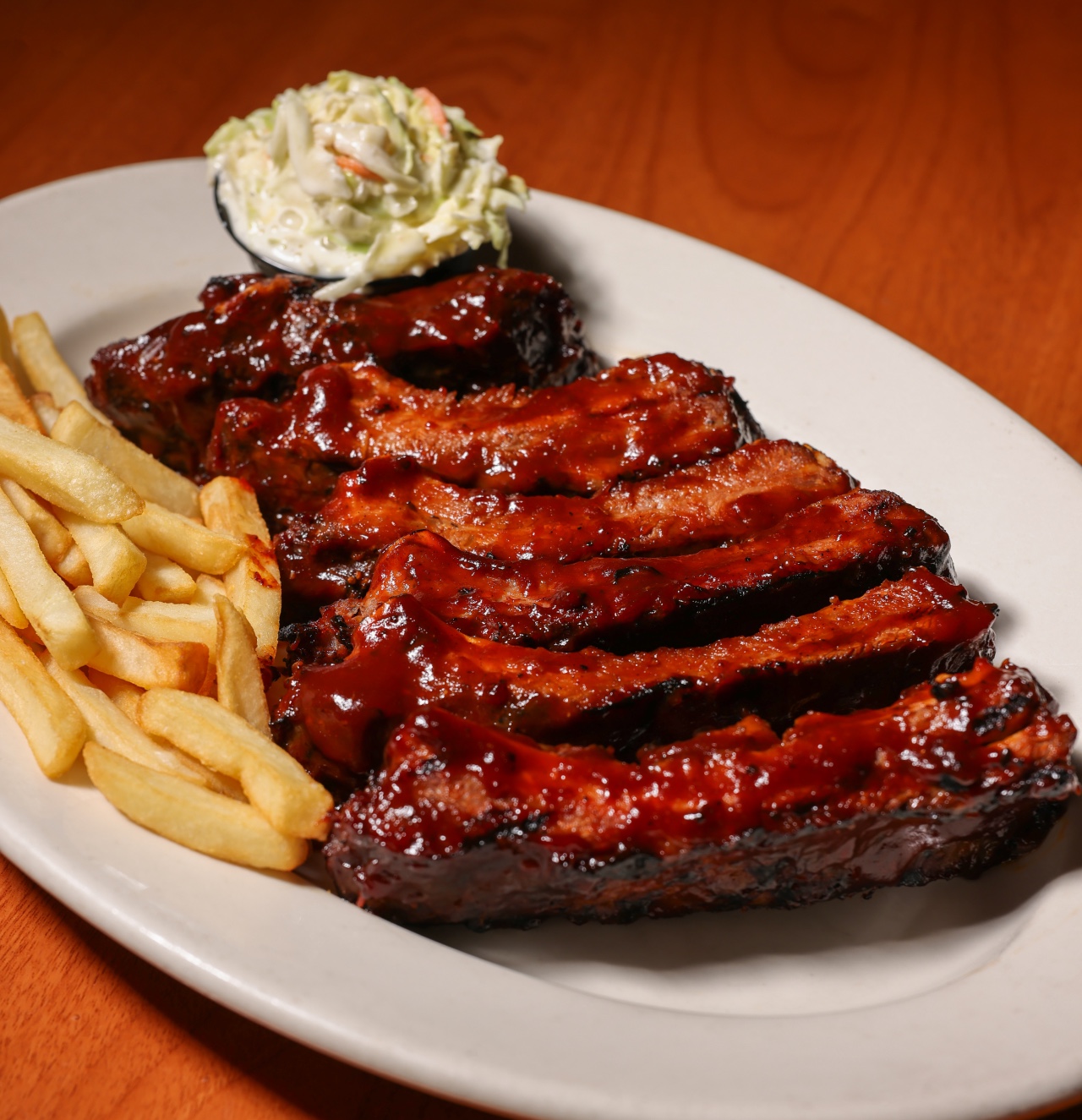
“Our ribs are our North Star. They are the DNA of the brand. We are not moving away from our heritage. We are simply giving it a broader stage to perform on. The ribs provide us the permission to innovate because our guests know that if we can master the art of the slow-smoked rib, they can trust us with everything else on the menu.”
Haque and team are implementing technology throughout the legacy brand’s operational network, changing up real estate footprints, seeking to attract new franchise partnerships, and enhancing the guest experience. The brand is collaborating with franchising experts including Carlos White, franchise attorney, the first Franchise Impactor Ambassador in the U.S., and Founder of The Impactor, and Calvin Golden, creator of the Wingstop franchise concept and the founder of ScaleWise Franchise.
Integrating Technology and Enhancing the Guest Experience
On the technology side, the primary hurdle isn’t the technology itself, but rather the integration of legacy with agility, Haque said, adding that the challenge is ensuring that AI and predictive analytics serve to remove friction and barriers between the server and the guest.
“When you have a brand with over 50 years of history, you have to perform what I call ‘operational archaeology.’ We are updating foundational systems without disrupting the soul of the guest experience. To lead, we have to bridge the gap between back-of-house automation and front-of-house warmth. We want tech to be the silent partner that handles the logistics so our people can focus on the art of hospitality.”
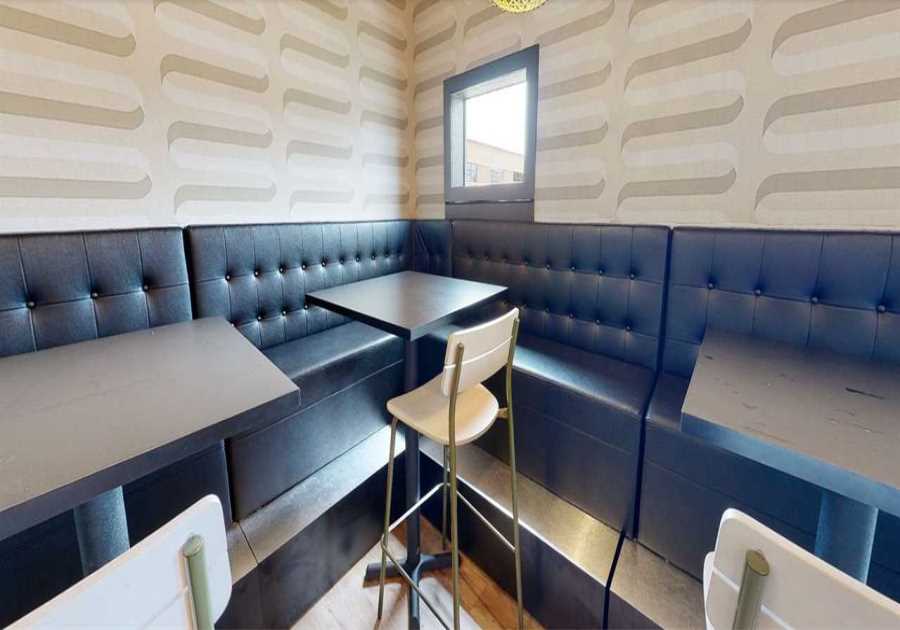
To enhance the overall guest experience, the brand is using tech to facilitate invisible personalization, Haque pointed out. This means using data to recognize a returning guest’s preferences, such as a favorite booth or specific dietary requirement, before they even have to say a word. They are also exploring how tech-driven environmental controls such as adaptive lighting and soundscapes can subtly shift the energy of the room to match the time of day to ensure the atmosphere feels as curated as the meal.
“Experiential dining is the ultimate antidote to the convenience economy.If a guest is going to trade the comfort of their couch for a table in our restaurant, we have to deliver something they cannot get through a delivery app.”
Attracting Franchisee Partnerships
Tony Roma’s is using the tech stack to attract franchisees by providing partners with hyper-local analytics,from site selection to predictive labor scheduling, as well as absorbing the complexity of digital tools at the corporate level and more sophisticated foundation for growth, Haque explained.
“We want to show them that we are not just selling a brand. We are selling a high-performance operating system that allows them to scale with precision.”
The brand is not looking for a "one size fits all" mentality in franchisee partners, preferring those who reflect the diverse, global communities they serve across five continents and who appreciate a bespoke approach to their specific market while maintaining the integrity of the Tony Roma’s name, Haque revealed.
“I am looking for visionary operators who possess both grit and a growth mindset. Because of my background in law and business, I have a deep appreciation for partners who understand the value of brand standards but are not afraid to provide honest feedback.”
Real Estate Strategy and Target Markets
The shift to smaller footprints is a deliberate re-engineering of Tony Roma's economic model for the operating environment that actually exists today, not the one that existed when the original restaurants were designed, Calvin Golden and Xavier Egan of Scale Wise Franchise LLC, explained. Previously, locations ranged from 7,000 to 10,000 square feet, but the brand has scaled the requirements back and now operates with a minimum of 3,000 square feet. The new smaller full-service prototype reduces construction cost by approximately 30 percent, they added.
“That is not a reflection of diminished ambition — it is a reflection of how fundamentally labor costs, occupancy costs, and consumer dining patterns have shifted over the past decade. The opportunities this creates are substantial and, we believe, structurally durable,” said Golden.
The real estate strategy is defined by one governing principle: high-traffic, captive audiences in locations where the brand's flavor profile and price point create a natural fit and they are actively seeking to partner with casino and hotel owners, and evaluating locations with heavy foot traffic near event spaces and airports, the Scale Wise team said. Geographically, the U.S. domestic focus is on growth markets where population density and brand awareness intersect — the Sun Belt broadly, and high-migration metros specifically, where the consumer base is expanding and commercial real estate opportunities remain more favorable than coastal markets, they noted.
Smaller physical spaces require more precise kitchen design and tighter operational choreography, Golden and Egan said. For the Bones & Burgers spinoff, which uses a proprietary grill capable of producing ribs in six minutes, the food- court format is designed for airports, high-traffic mall food courts, shopping centers, entertainment venues, and travel plazas. The freestanding version targets universities, tourist locations, lifestyle centers, and end-cap or freestanding locations.
Balancing Modernization with Brand Loyalty
The brand is balancing the risks and rewards of modernizing a legacy brand without alienating longtime brand loyalists by making incremental, intentional change, according to the Scale Wise team.
“The risk of legacy brand modernization is well-documented in the restaurant industry,” said Golden. “Brands that move too fast or too radically tend to lose the core guest who made them viable in the first place, without necessarily winning the new consumer they were chasing. Brands that move too slowly become irrelevant by attrition. Neither outcome is acceptable for Tony Roma's.”
To avoid alienating the long-term customer base, Tony Roma's core menu remains largely unchanged with innovation expressed through limited-time offers and market-specific additions, not through displacement of heritage items. For example, Tennessee location's menu refresh includes Smoky BBQ Corn "Ribs" as a plant-based nod and zero-proof cocktail options. The brand allows franchisees to develop their own LTO menu items to align with regional preferences, available ingredients, and other location-specific factors.
The challenge in this approach is velocity, Golden explained as boving deliberately means the brand's competitive repositioning will not be fully visible in the market for some time. Tony Roma's 2.0 has an expected full launch in late 2026.
“In an industry that rewards speed, patience is itself a risk. The counterargument — and it is a sound one — is that the brands that have stumbled in the modernization process typically moved faster than their organizational systems, franchisee relationships, and core guest loyalty could absorb. Tony Roma's is choosing to build the infrastructure of transformation before the marketing of transformation, and we believe that sequencing is correct.”